Juicy Homemade Rotisserie Chicken with Crispy Herb Skin
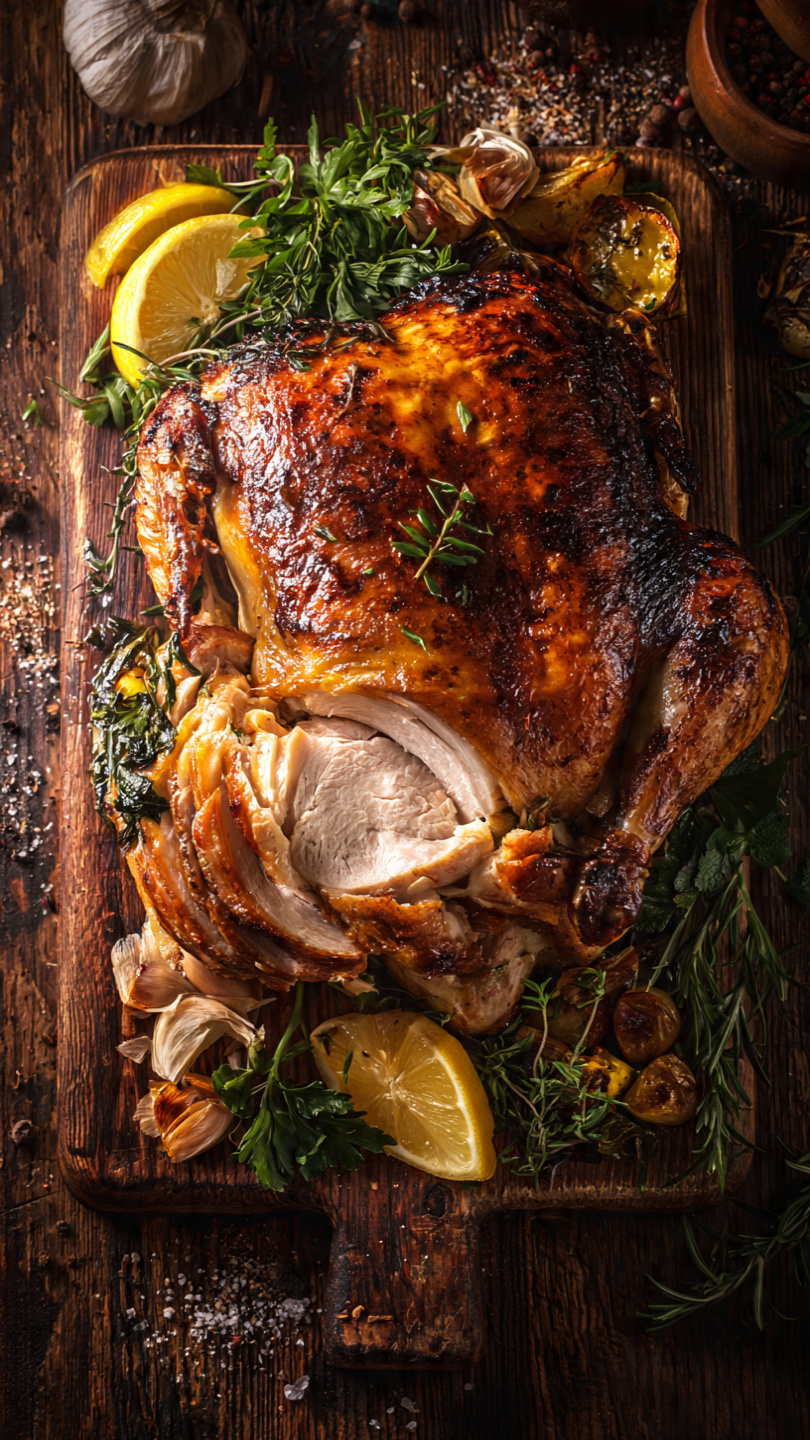
This homemade rotisserie-style chicken is seasoned with a bold herb and spice rub, then slow-roasted to golden, crackling perfection. It tastes just like the deli counter version, but better.

The Rotisserie Chicken You Will Make Every Single Week
There is something almost magical about a perfectly roasted rotisserie chicken. The skin crackles, the meat pulls apart without any effort, and the whole kitchen smells like the very best kind of Sunday. The problem? That grocery store bird costs a surprising amount, and you have zero control over what goes into the seasoning.
This recipe fixes that entirely. With a bold smoked paprika and herb spice paste and one smart oven technique, you can produce a chicken that rivals anything behind the deli counter, right at home.
Why This Recipe Actually Works
Most home-roasted chickens have one of two problems: pale, rubbery skin or dry, overcooked breast meat. This recipe solves both by using a high-heat start followed by a lower-heat finish. The initial blast at 425 degrees F gets the skin crisping immediately, while dropping the temperature allows the thighs and breasts to finish cooking gently and evenly without drying out.
The other secret is moisture management. Patting the chicken completely dry before seasoning is non-negotiable. Any surface moisture turns to steam in the oven, and steam is the enemy of crunch.
Chef's Tip: If you have the time, leave the salted chicken uncovered on a rack in the fridge overnight. The cold, dry air pulls more moisture from the skin and the results are genuinely next-level crispy.
Building the Perfect Spice Rub
The rub here is what sets this apart from a plain roast chicken. It combines smoked paprika for color and depth, garlic and onion powder for savory backbone, and dried thyme and oregano for that classic rotisserie aroma. Mixing the dry spices into a paste with butter and olive oil helps everything cling to the skin and penetrate deeply, especially when you work some of it underneath the breast skin directly.
Do not skip the cavity stuffing either. Garlic, lemon, and rosemary inside the bird perfume the meat from the inside out as it roasts.
Having the right tools in your kitchen genuinely elevates a recipe like this. A reliable instant-read thermometer takes all the guesswork out of doneness, and a sturdy roasting rack ensures hot air circulates under the bird for even crisping on every side.
Tools & Ingredients We Recommend
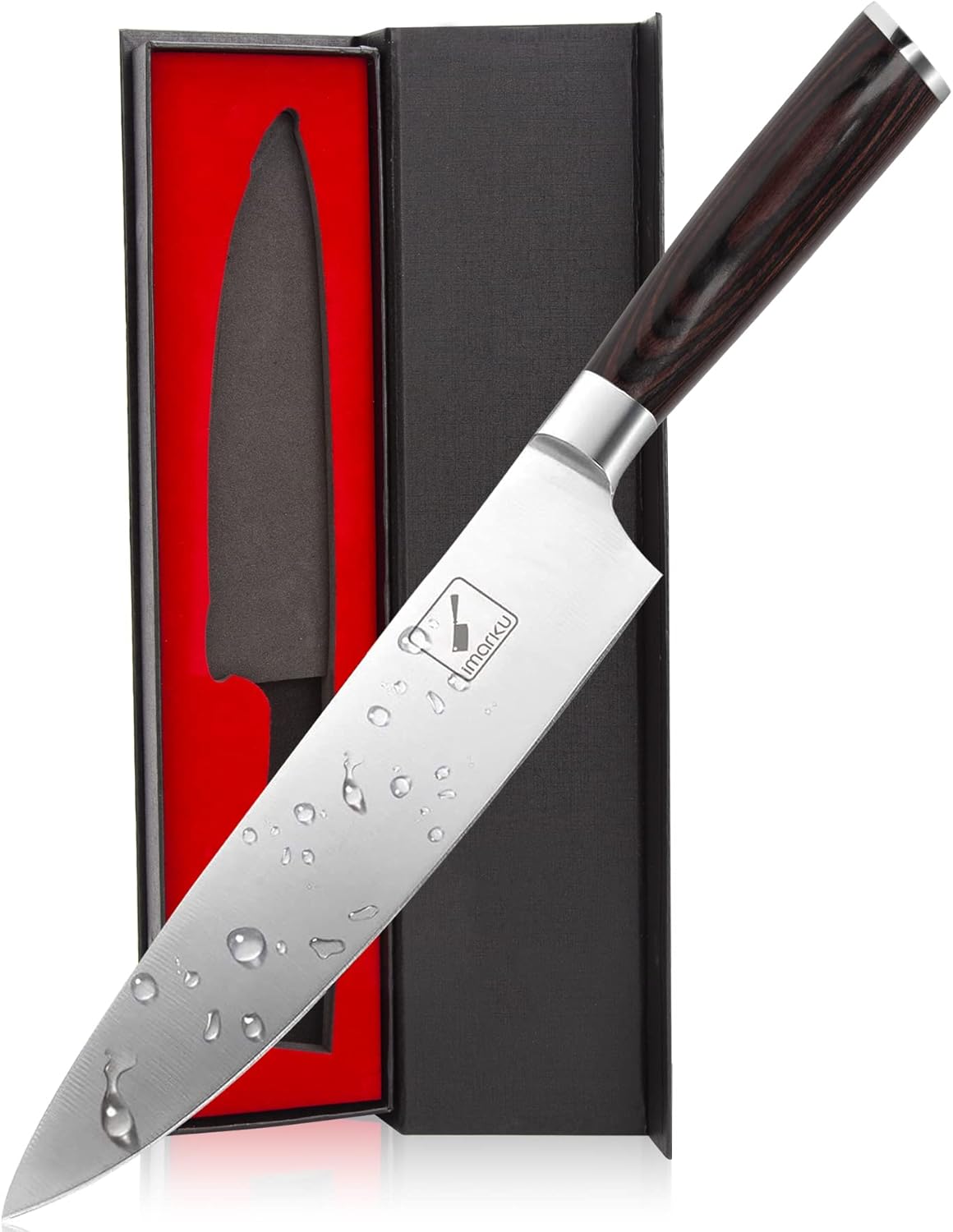


How to Carve and Serve It
Always let the bird rest for a full 15 minutes after it comes out of the oven. Cutting into it too early sends all those hard-earned juices running onto the cutting board instead of staying inside the meat where they belong.
This chicken is endlessly versatile. Serve it simply alongside:
- Roasted vegetables tossed in the pan drippings
- Creamy mashed potatoes for a classic pairing
- A simple green salad to balance the richness
- Crusty bread to soak up every last drop
Leftovers are genuinely exciting rather than a consolation prize. Pull the remaining meat and toss it into chicken tacos, stir it into a quick soup, pile it onto a grain bowl, or layer it into a sandwich with good mustard and greens.
Ready to build the best chicken you have ever made at home? Here is everything you need:
Juicy Homemade Rotisserie Chicken with Crispy Herb Skin
This homemade rotisserie-style chicken is seasoned with a bold herb and spice rub, then slow-roasted to golden, crackling perfection. It tastes just like the deli counter version, but better.
Ingredients
- 1 whole chicken, about 4 lbs, patted dry
- 2 tbsp olive oil, extra virgin
- 1 1/2 tsp smoked paprika
- 1 tsp garlic powder
- 1 tsp onion powder
- 1/2 tsp dried thyme
- 1/2 tsp dried oregano
- 1 1/2 tsp kosher salt
- 1/2 tsp black pepper, freshly ground
- 1/4 tsp cayenne pepper, optional, for heat
- 2 tbsp unsalted butter, softened
- 4 garlic cloves, smashed
- 1 fresh lemon, halved
- 3 fresh rosemary sprigs
Instruction
Remove the chicken from the refrigerator 30 minutes before cooking to bring it closer to room temperature. Pat it completely dry with paper towels, including inside the cavity. This is the single most important step for crispy skin.
Preheat your oven to 425 degrees F (220 degrees C). Place a roasting rack inside a roasting pan or oven-safe skillet.
In a small bowl, mix together the smoked paprika, garlic powder, onion powder, dried thyme, dried oregano, kosher salt, black pepper, and cayenne. Stir in the olive oil and softened butter to form a paste.
Rub the spice paste all over the chicken, making sure to get underneath the breast skin by gently loosening it with your fingers. Coat the cavity and the back of the bird as well.
Stuff the cavity with the smashed garlic cloves, lemon halves, and rosemary sprigs.
Tie the legs together with kitchen twine and tuck the wing tips underneath the body. Place the chicken breast-side up on the roasting rack.
Roast at 425 degrees F (220 degrees C) for 20 minutes to start crisping the skin, then reduce the heat to 375 degrees F (190 degrees C) and continue roasting for 60 to 70 more minutes, until a meat thermometer inserted into the thickest part of the thigh reads 165 degrees F (74 degrees C).
Remove the chicken from the oven and let it rest uncovered on a cutting board for at least 15 minutes before carving. This allows the juices to redistribute throughout the meat.
Equipment
- Roasting pan
- Roasting rack
- Instant-read meat thermometer
- Kitchen twine
- Small mixing bowl
- Cutting board
- Sharp carving knife
Notes
Storing and Reheating
Transfer any leftover chicken to an airtight container within two hours of cooking and refrigerate for up to 4 days. For reheating, avoid the microwave if you want to preserve any skin crispiness. A 325 degree F oven with a splash of broth and a tent of foil will bring it back to life beautifully in about 15 minutes. The carcass, by the way, makes an outstanding stock. Simmer it with onion, celery, and carrots for an hour and you have the best chicken broth you have ever tasted.