Classic Rice Pilaf with Toasted Vermicelli
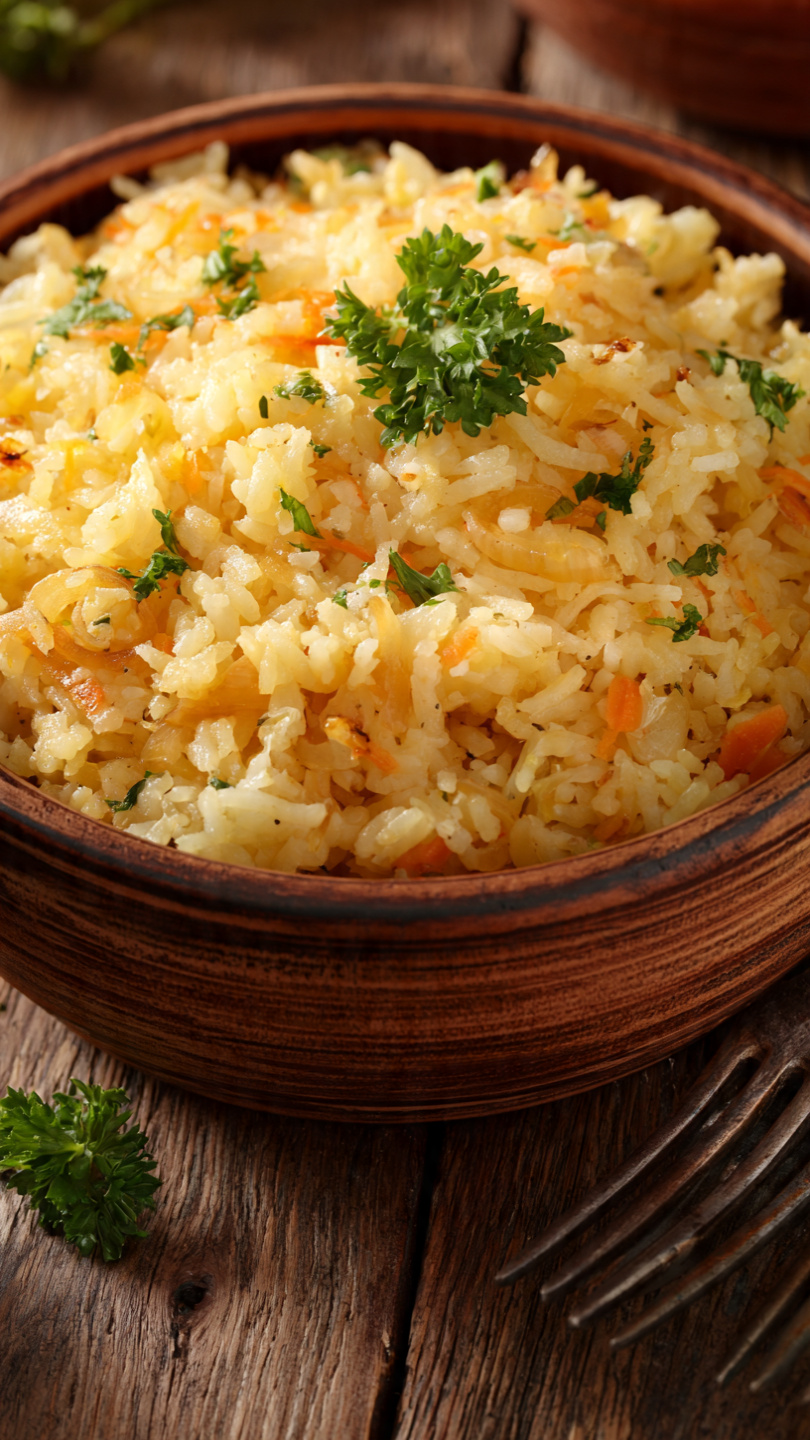
This fluffy, golden rice pilaf is toasted in butter with vermicelli and simmered in savory broth for a simple yet elegant side dish that pairs beautifully with almost any meal.

The Rice Pilaf That Outshines Everything Else on the Table
Rice pilaf is one of those dishes that quietly steals the show. It is not flashy, it does not demand attention, and yet every single time you set it on the table, someone asks for the recipe. That golden, nutty aroma when the vermicelli hits the butter. The way each grain stays separate and fluffy instead of clumping together. The subtle richness that makes it taste like it took far more effort than it actually did.
This classic rice pilaf is deeply rooted in Middle Eastern home cooking, where toasting the rice and noodles in butter before adding liquid is not optional, it is the whole secret. Once you understand that technique, you will never go back to plain steamed rice again.
Why This Recipe Works Every Single Time
Most failed rice pilaf comes down to two things: not toasting long enough and lifting the lid too soon. This recipe solves both.
Toasting the vermicelli until it is a deep amber color, almost darker than you think is safe, is what gives the pilaf its signature nutty flavor. The same logic applies to the rice. Letting those grains toast in the butter for a couple of minutes before the liquid goes in creates a protective coating that keeps them firm and separate.
The second rule is patience. Once the lid goes on and the heat drops to low, you do not peek. You do not stir. You trust the process. The gentle steam does all the work, and that five-minute rest off the heat at the end is what finishes the job perfectly.
Chef's Tip: Always use warmed broth rather than cold. Adding cold liquid to hot toasted rice shocks the grains and can make the cooking uneven. Just microwave the broth for 90 seconds before pouring it in.
The Right Tools Make the Difference
For pilaf, the pan you use matters more than most people realize. A heavy-bottomed saucepan or Dutch oven distributes heat evenly and prevents the bottom layer from scorching during that long, low simmer. A tight-fitting lid is equally important since too much steam escaping means dry, undercooked rice.
Using a good low-sodium broth also gives you control over the seasoning in a way that salty boxed broth simply does not.
Tools & Ingredients We Recommend
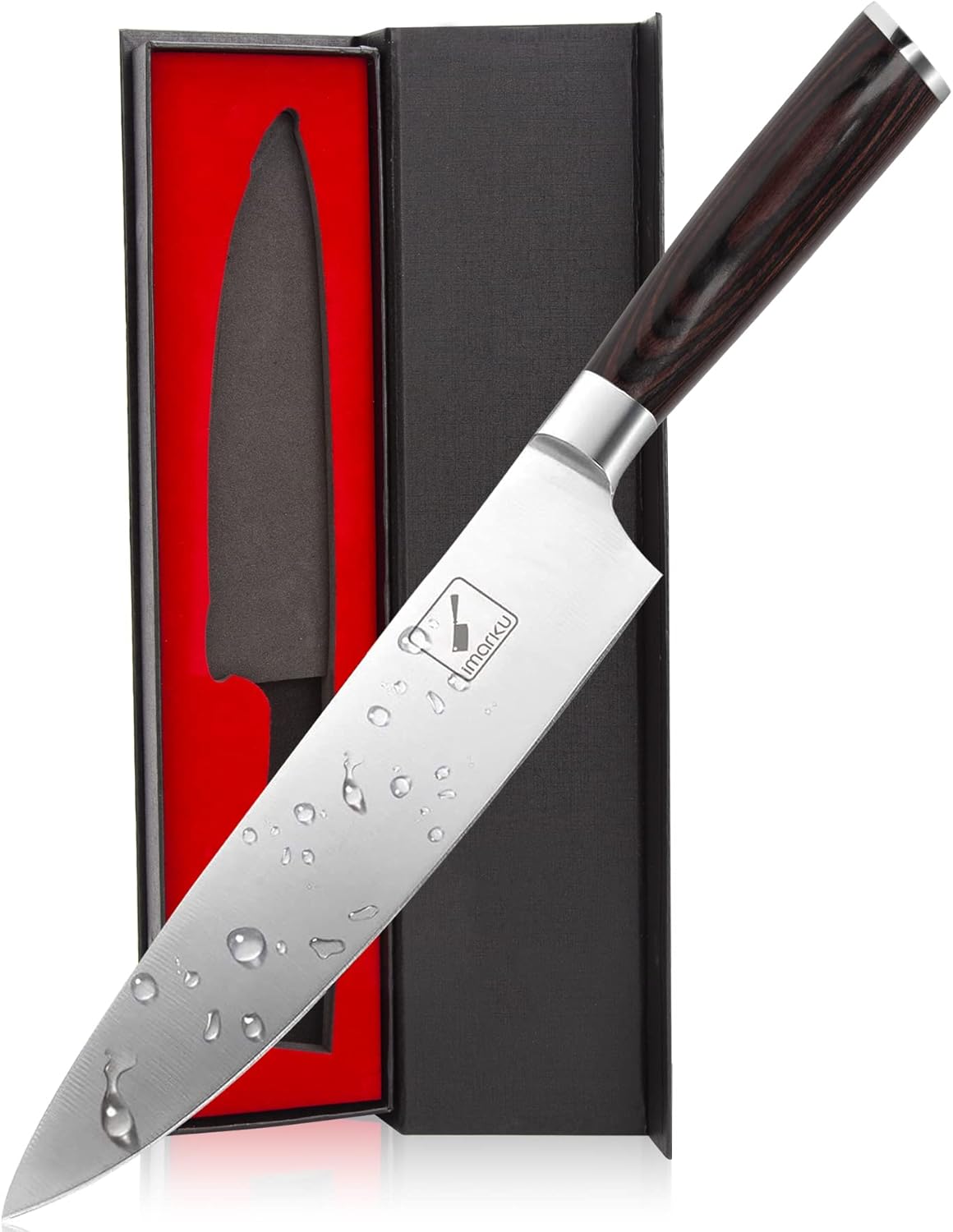


What to Serve with Rice Pilaf
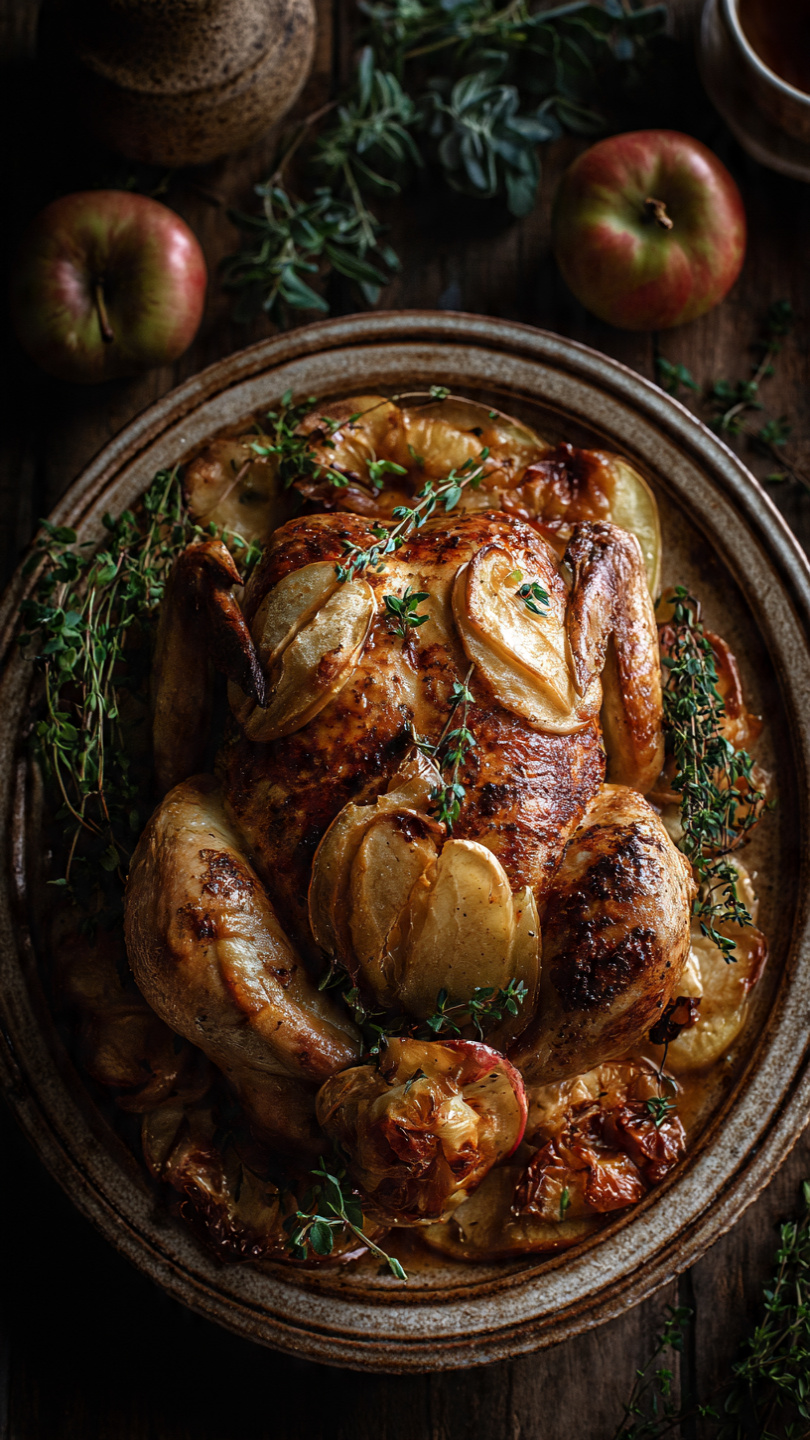
This pilaf is extraordinarily versatile. It is the kind of side dish that makes a weeknight roast chicken feel like a dinner party, and it pairs just as well with:
- Grilled lamb chops or kebabs for a full Middle Eastern spread
- Baked salmon or white fish where the nutty rice complements the delicate flavor
- Braised chicken thighs so the pilaf soaks up every drop of pan sauce
- Roasted vegetables if you want to keep things plant-based
For a heartier meal, stir in a handful of toasted pine nuts and plump golden raisins just before serving. It transforms the pilaf into something that can genuinely stand on its own.
A Few Easy Variations Worth Trying
Once you have the base recipe down, it is easy to riff on it. Try adding a pinch of turmeric or saffron to the broth for a beautiful golden color and a subtle floral note. A cinnamon stick and two cardamom pods added with the broth give it a warmly spiced, Persian-inspired character. For a more savory, herb-forward version, fold in chopped dill and a squeeze of lemon right before serving.
Ready to make it? Here is the full step-by-step recipe:
Classic Rice Pilaf with Toasted Vermicelli
This fluffy, golden rice pilaf is toasted in butter with vermicelli and simmered in savory broth for a simple yet elegant side dish that pairs beautifully with almost any meal.
Ingredients
- 1 1/2 cups long-grain white rice, rinsed and drained
- 1/2 cups vermicelli noodles, broken into small pieces
- 3 tbsp unsalted butter
- 1 tbsp olive oil, extra virgin
- 1/2 yellow onion, finely diced
- 2 garlic cloves, minced
- 3 cups chicken broth, low-sodium, warmed
- 3/4 tsp kosher salt, adjust to taste
- 1/4 tsp black pepper, freshly ground
- 2 tbsp fresh flat-leaf parsley, chopped, for garnish
Instruction
Rinse the rice under cold water until the water runs clear, then drain thoroughly and set aside.
In a medium saucepan or deep skillet, melt the butter with the olive oil over medium heat.
Add the broken vermicelli pieces and toast, stirring constantly, for 2 to 3 minutes until they turn a deep golden brown. Watch them carefully as they can burn quickly.
Add the diced onion and cook for 3 to 4 minutes, stirring occasionally, until softened and translucent.
Stir in the minced garlic and cook for 30 seconds until fragrant.
Add the drained rice and stir to coat every grain in the butter mixture. Toast the rice for 2 minutes, stirring frequently.
Pour in the warmed chicken broth and add the salt and pepper. Stir once to combine, then bring to a boil.
Once boiling, reduce the heat to the lowest setting, cover tightly with a lid, and cook for 18 minutes without lifting the lid.
Remove the pan from heat and let the pilaf steam, still covered, for 5 minutes.
Uncover, fluff gently with a fork, taste and adjust seasoning, then garnish with fresh parsley before serving.
Equipment
- Medium saucepan or deep skillet with lid
- Wooden spoon or silicone spatula
- Fine mesh strainer
- Measuring cups and spoons
- Chef's knife and cutting board
Notes
Storing and Reheating
Rice pilaf stores exceptionally well, which makes it a great candidate for meal prep. Keep leftovers in an airtight container in the fridge for up to four days, or freeze for up to two months. When reheating, a small splash of broth or water added to the pan and a lid placed on top brings it right back to life. The microwave works too as long as you cover it with a damp paper towel to trap steam.
Make a big batch on Sunday and you have a reliable, delicious base for the whole week.