Classic Coq Au Vin (French Braised Chicken in Red Wine)
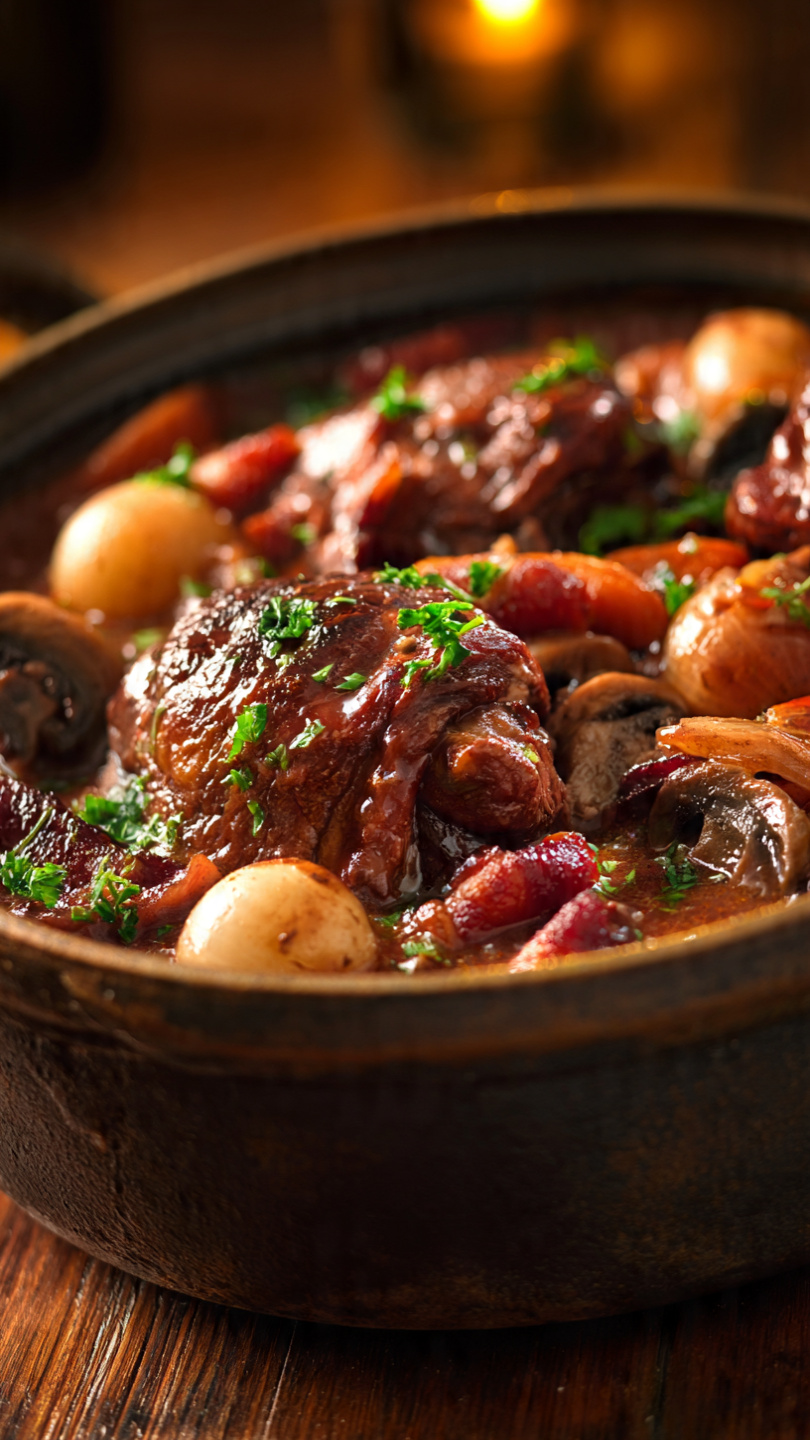
This classic French Coq Au Vin features tender chicken braised low and slow in rich red wine with smoky bacon, earthy mushrooms, and fragrant herbs. An elegant yet deeply comforting dinner that tastes like it came straight from a Parisian bistro.

The French Bistro Classic You Can Make at Home
There is something almost magical about Coq Au Vin. A handful of humble ingredients, a bottle of decent red wine, and a few unhurried hours on the stove, and what emerges is one of the most soul-satisfying dishes in all of French cooking. Tender, fall-off-the-bone chicken, smoky bacon lardons, silky mushrooms, and pearl onions swimming in a glossy, wine-dark sauce that tastes like it took a professional chef all day to build.
The good news? It did not. And you can make it tonight.
Why This Recipe Works
Coq Au Vin translates literally to "rooster in wine," a dish born from French farmhouse practicality: braise a tough old bird long enough in wine and aromatics, and it becomes something extraordinary. Modern versions use everyday chicken thighs and drumsticks, which are forgiving, flavorful cuts that become incredibly tender under a low, slow braise.
The real secret here is building layers of flavor from the very first step. Rendering the bacon, searing the chicken until properly golden, and deglazing those caramelized pan drippings with wine creates a sauce base that no shortcut can replicate.
Chef's Tip: Do not rush the searing step. A pale, steamed-looking piece of chicken will not give you that deep, nutty crust or the fond on the bottom of the pot that makes this sauce extraordinary. Dry your chicken thoroughly, work in batches, and let it sit undisturbed until it releases naturally from the pan.
The Ingredients That Make the Difference
Quality matters in a dish this simple. Using a wine you actually enjoy drinking, proper thick-cut bacon rather than thin deli strips, and fresh thyme instead of dried will each make a noticeable difference in the final dish. A heavy Dutch oven is also non-negotiable here: it holds and distributes heat evenly for a gentle, consistent braise that keeps the chicken moist rather than drying it out.
These are a few of the tools and ingredients that genuinely elevate this recipe from good to unforgettable:
Tools & Ingredients We Recommend
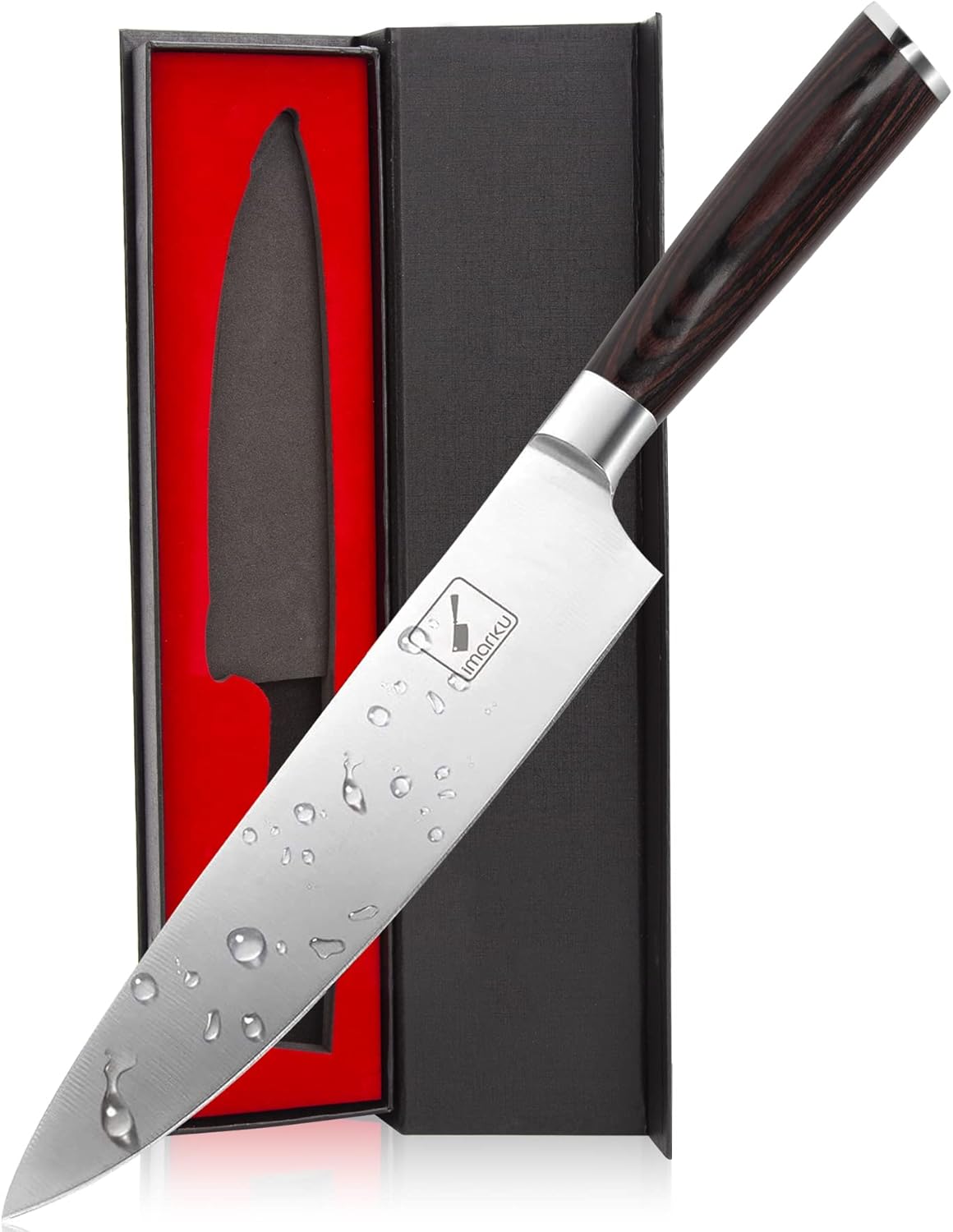


A Note on the Wine
You will often hear the advice to "cook with wine you would drink," and nowhere is it more true than here. The entire sauce is built on that wine, and as it reduces over 90 minutes, its flavors concentrate dramatically. A thin, acidic, or overly tannic wine will produce a thin, acidic, or bitter sauce.
Our top picks:
- Burgundy (Pinot Noir) for the most traditional, elegant result
- Côtes du Rhône for a slightly bolder, more rustic character
- Merlot for an approachable, fruit-forward option
Aim to spend somewhere in the $12 to $20 range. You do not need an expensive bottle, but you do want something with real flavor.
Make It Ahead (Seriously, Please Do)
If you have ever hosted a dinner party and stressed about timing, Coq Au Vin is your answer. This dish is actively better made the day before. As it rests overnight in the refrigerator, the chicken absorbs the braising liquid more deeply, the flavors meld and soften, and the sauce thickens to an almost velvety consistency. Reheat it gently the next day while your guests arrive and you will look like an absolute professional.
Ready to bring a little Paris into your kitchen? Here is the full recipe:
Classic Coq Au Vin (French Braised Chicken in Red Wine)
This classic French Coq Au Vin features tender chicken braised low and slow in rich red wine with smoky bacon, earthy mushrooms, and fragrant herbs. An elegant yet deeply comforting dinner that tastes like it came straight from a Parisian bistro.
Ingredients
- 8 pieces bone-in, skin-on chicken thighs and drumsticks, patted dry
- 2 cups dry red wine, Burgundy or Pinot Noir recommended
- 1 cup chicken stock, low sodium
- 6 oz thick-cut bacon, cut into lardons
- 8 oz cremini mushrooms, halved or quartered
- 1 cup pearl onions, fresh or frozen, peeled
- 4 garlic cloves, minced
- 2 tbsp tomato paste
- 2 tbsp all-purpose flour, for dredging
- 2 tbsp unsalted butter, divided
- 1 tbsp olive oil
- 4 fresh thyme sprigs
- 2 bay leaves
- 1/4 cup flat-leaf parsley, roughly chopped, for garnish
- 1 1/2 tsp kosher salt, plus more to taste
- 1/2 tsp black pepper, freshly ground
Instruction
Season the chicken pieces generously on all sides with kosher salt and black pepper. Lightly dredge each piece in flour, shaking off any excess.
In a large Dutch oven or heavy-bottomed pot, cook the bacon lardons over medium heat until crispy and the fat has rendered, about 6 to 8 minutes. Transfer the bacon to a paper towel-lined plate, leaving the drippings in the pot.
Add the olive oil to the pot and increase the heat to medium-high. Working in batches to avoid crowding, sear the chicken pieces skin-side down for 4 to 5 minutes until deeply golden. Flip and sear the other side for 2 to 3 minutes. Transfer the seared chicken to a plate and set aside.
Reduce the heat to medium. Add 1 tablespoon of butter to the pot and saute the pearl onions for 3 to 4 minutes until lightly browned. Add the mushrooms and cook for another 4 minutes until softened. Add the garlic and cook for 1 minute until fragrant.
Stir in the tomato paste and cook for 1 to 2 minutes, coating the vegetables. Pour in the red wine, scraping up any browned bits from the bottom of the pot with a wooden spoon. Add the chicken stock, thyme sprigs, and bay leaves.
Return the seared chicken and cooked bacon to the pot. The liquid should come about two-thirds of the way up the chicken. Bring to a gentle simmer, then cover with a lid slightly ajar and cook over low heat for 60 to 75 minutes, until the chicken is very tender and cooked through to an internal temperature of 165 degrees F (74 degrees C).
Transfer the cooked chicken to a plate. Discard the thyme sprigs and bay leaves. Increase the heat to medium-high and let the braising liquid simmer uncovered for 8 to 10 minutes until it has reduced slightly and coats the back of a spoon.
Remove the pot from heat and swirl in the remaining 1 tablespoon of cold butter for a silky, glossy finish. Taste and adjust seasoning with salt and pepper.
Return the chicken to the pot and spoon the sauce generously over it. Garnish with fresh parsley and serve immediately alongside crusty bread, creamy mashed potatoes, or buttered egg noodles.
Equipment
- Large Dutch oven or heavy-bottomed braising pot (at least 5 quarts)
- Tongs
- Wooden spoon
- Sharp chef's knife
- Cutting board
- Measuring cups and spoons
- Instant-read thermometer
Notes
What to Serve with Coq Au Vin
The rich, wine-based sauce practically demands something starchy and absorbent alongside it. These are our favorite pairings:
- Creamy mashed potatoes for the most classic, comforting combination
- Buttered egg noodles for something lighter and a little more bistro-style
- Crusty French bread to mop up every last drop of that incredible sauce
- Steamed or roasted green beans to add a pop of freshness and color to the plate
A simple green salad with a sharp Dijon vinaigrette rounds the meal out beautifully and cuts through the richness of the braise.
Storing and Reheating
Leftovers keep in an airtight container in the refrigerator for up to 3 days. Reheat gently in a covered pot over low heat on the stovetop, adding a small splash of chicken stock if the sauce has thickened too much overnight. This dish also freezes remarkably well for up to 2 months, making it an excellent candidate for batch cooking on a slow Sunday afternoon.